Thinking
Learning, questions, and reading

Talking to a book instead of reading it
Instead of reading thick things from the first page, I ask first and open only the chapters that touch my question. Terms of service, statutes, licence documents, and books. I read less and keep more.

Drawing a map of what I do not know, with AI
The scariest part of new work is not knowing what you do not know. Five questions that find that dead end, the aporia Socrates led people to, within an hour, plus one of my own maps.
The Feynman technique, explained to an AI
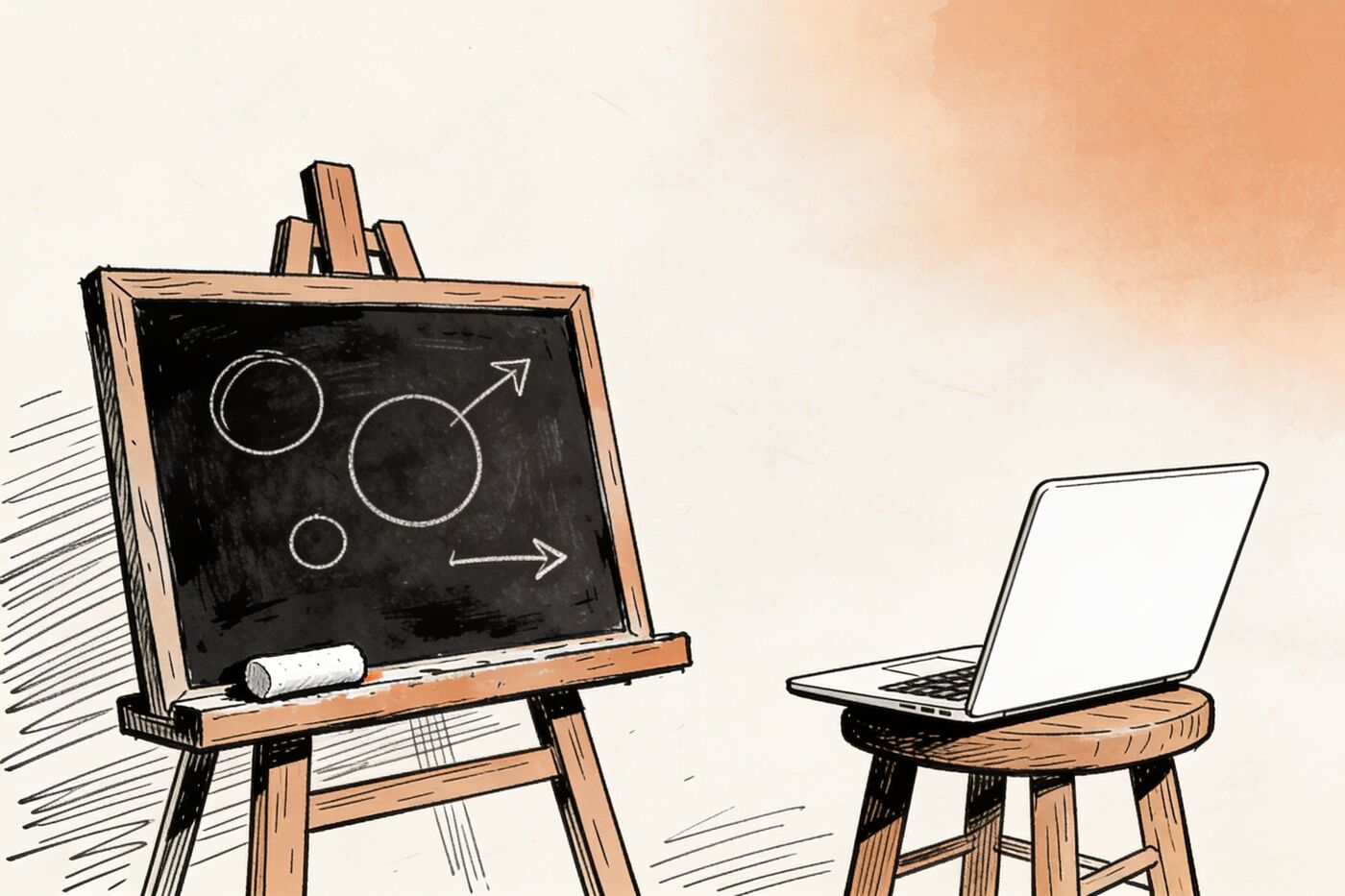
The Feynman technique says explain what you learned to someone else. It always needed a listener. Now an AI listens and points at the gaps. Here is what happened when I explained DNS.
A question is not a search term
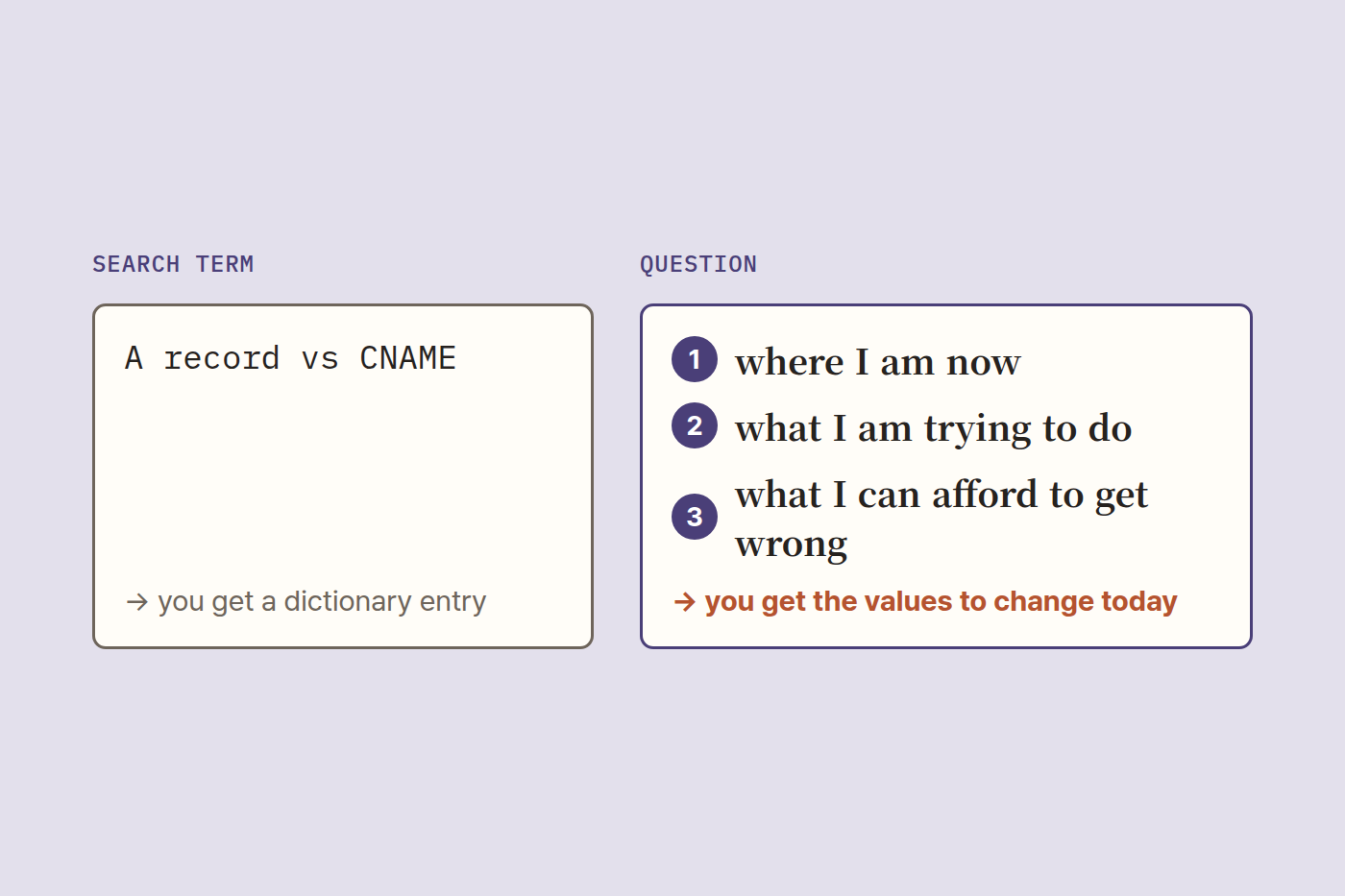
Type a search term into an AI and you get a dictionary back. Three pairs of things I actually typed show how the shape of the question changes the answer.

What the Socratic method is, with an example
The meaning of the Socratic method, the two words midwifery and aporia, one short dialogue, and why a 2400-year-old technique became useful again.
Seven Socratic prompts I actually use with AI
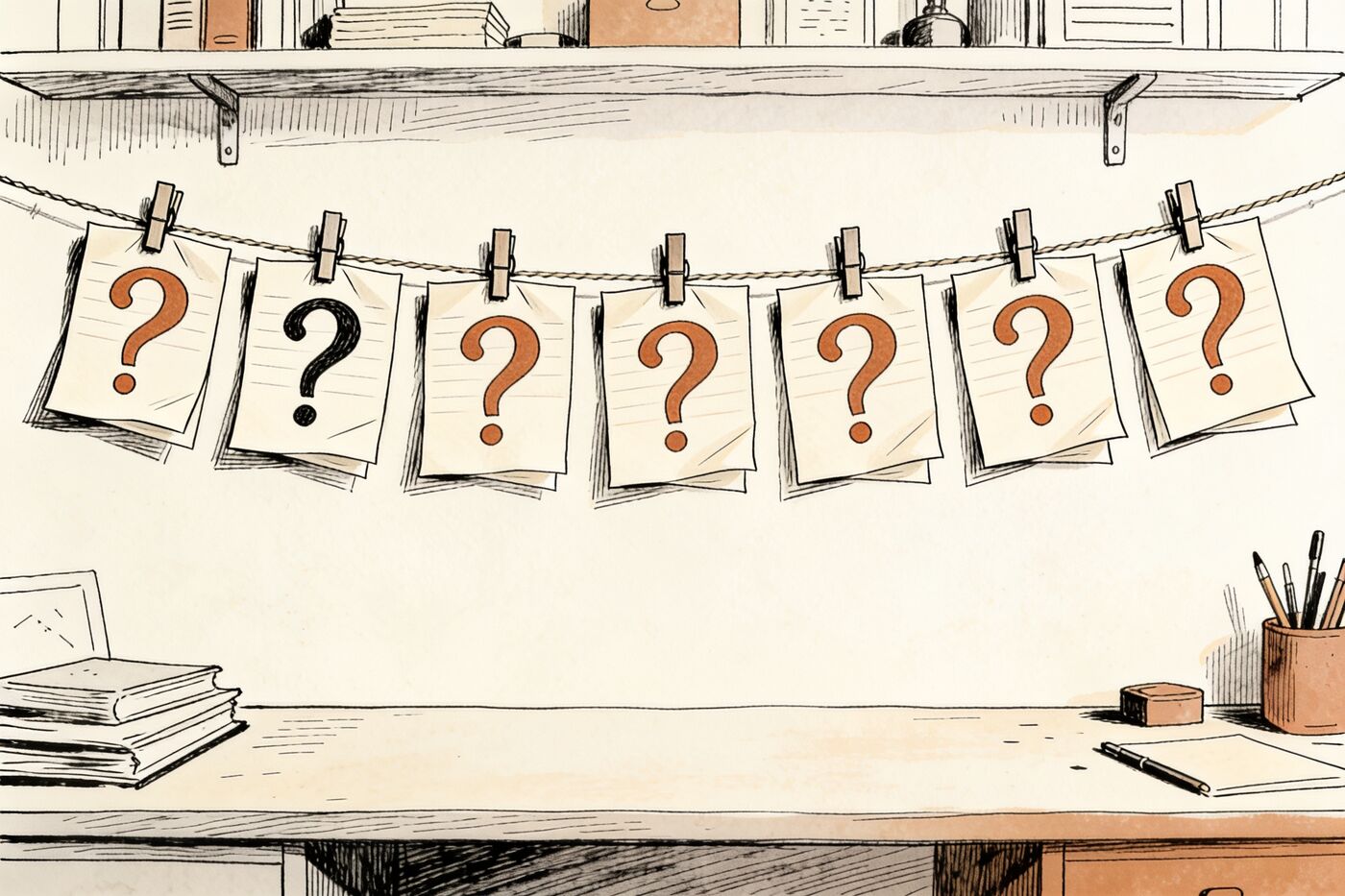
One question and a closed tab is just search. Here are the seven follow-up questions I ask after the first answer, taken from real conversations while running a small company.
The Socratic Method, 2400 Years Later
The most effective way to learn anything was invented in Athens. The catch was that there was only one Socrates. That constraint is gone now.